A mixed organic-inorganic fertilizer factory can handle a wide range of raw materials.


Capacity:2-100TPH
Feed Materials:granules & powder
Equipment Materials: carbon steel, stainless steel
Cost:$30,000-$600,000
Many fertilizer manufacturers want to improve fertilizer performance while keeping production costs under control. An organic-inorganic fertilizer blending system makes it possible. It allows producers to combine organic materials with mineral nutrients flexibly and efficiently. In practice, there are two main production solutions for mixing organic fertilizer with chemical fertilizer: physical blending (blending type) and granulation-based compound production (granulation type). Each method suits different raw materials, budgets, and market goals. Understanding these two options helps you choose the right fertilizer production line.
Learn MoreA mixed organic-inorganic fertilizer factory can handle a wide range of raw materials.
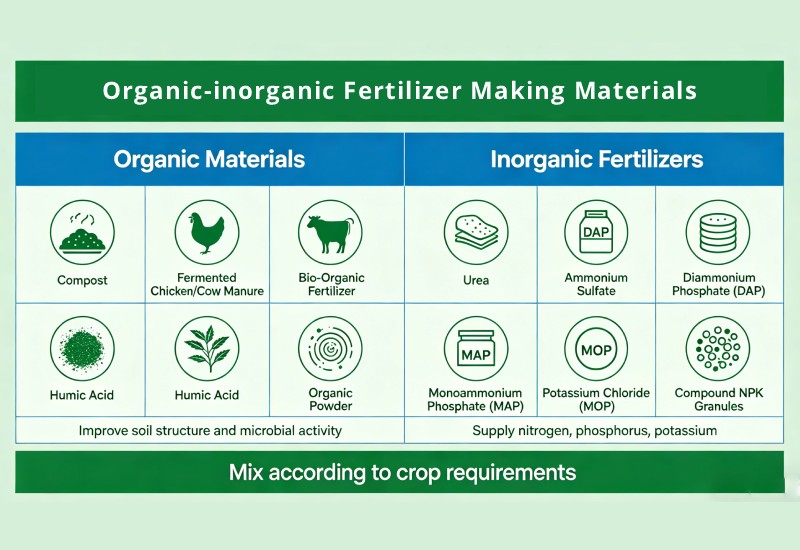
Common organic materials include compost, fermented livestock manure (such as chicken or cow manure), bio-organic fertilizer, humic acid, and organic powder. These materials improve soil structure and microbial activity.
In addition, typical inorganic fertilizers include urea, ammonium sulfate, diammonium phosphate (DAP), monoammonium phosphate (MAP), potassium chloride (MOP), and compound NPK granules. These materials supply essential nutrients like nitrogen, phosphorus, and potassium. You can mix the materials according to the crop requirements.
In general, there are 2 types of organic-inorganic fertilizer production solutions favored by most industrial manufacturers.
The blend fertilizer production system mixes different fertilizer materials directly without changing their original shape. It works best with granular materials or pre-processed powders. In this process, each component keeps its original physical form. The system ensures only even distrubition of the organic-inorganic fertilizer mixture. It features simple production process, low equipment investment, and fast installation and operation. This solution suits fertilizer distributors or plants that need quick production and flexible formulas.
The fertilizer granulation system produces new fertilizer granules by combining organic and inorganic materials during the process. It changes powder or mixed materials into uniform particles. In this system, materials go through mixing, granulation, and post-treatment. The final product has a consistent size and a stronger structure. The granulated organic-inorganic fertilizer would not segregate during transport. It is suitable for branded or high-end fertilizers with higher product value. This solution fits manufacturers who want to produce stable, high-quality compound fertilizers.
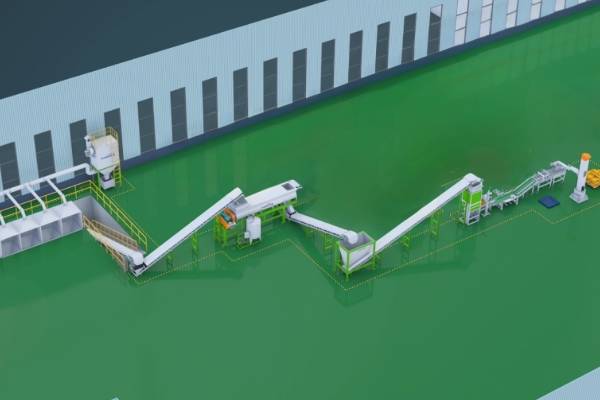
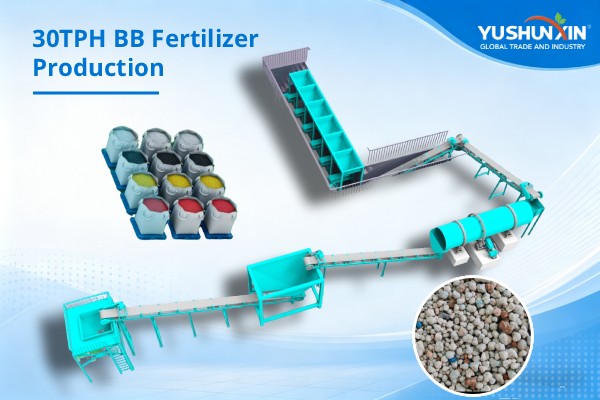
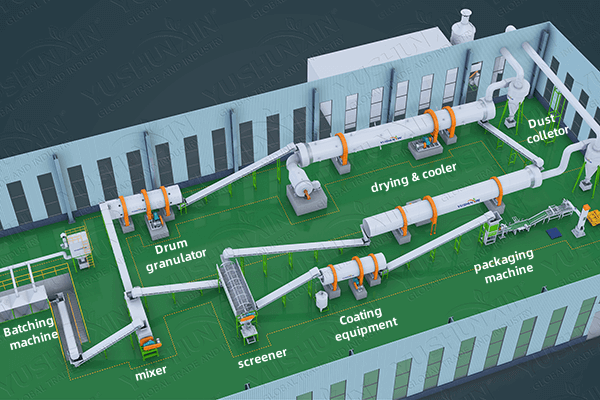
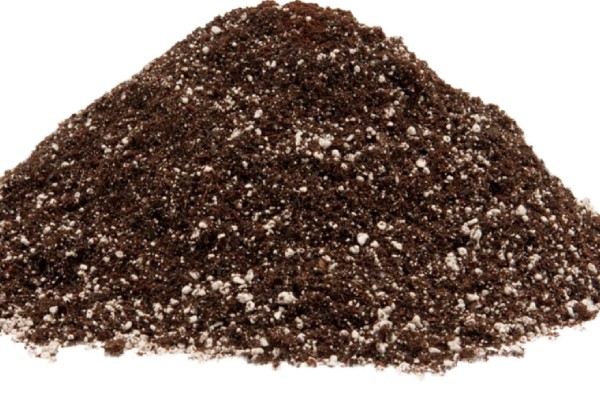
The method you choose to blend organic materials with mineral fertilizers determines the equipment configuration. You can use the following machines for different production systems:

Automatic batching machine – measures each raw material accurately based on the fertilizer formula
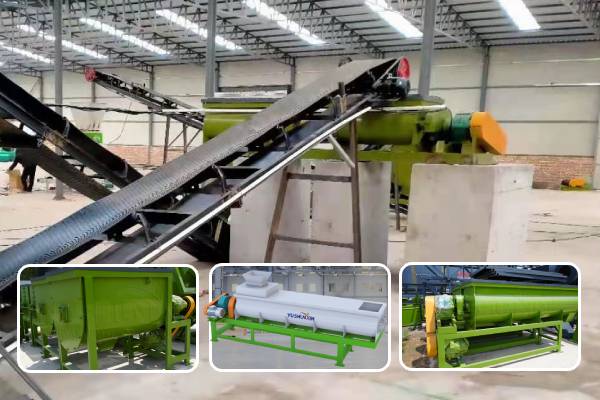
Fertilizer mixer (drum or horizontal type) – blends different materials evenly without damaging particles
Conveying system – transports materials smoothly between each processing stage
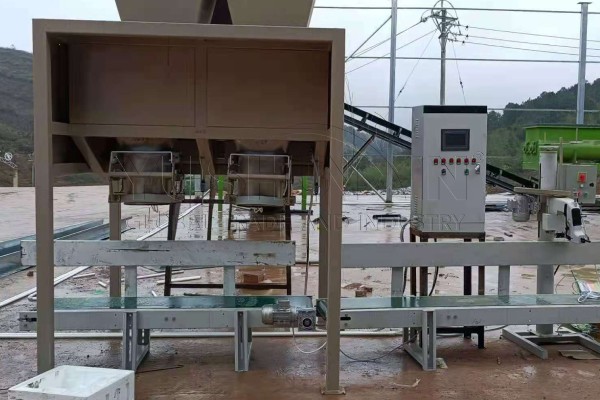
Automatic packing machine – weighs, bags, and seals finished fertilizer products
A fertilizer granulation system includes more equipment to complete the full organic-inorganic fertilizer production process. They are:
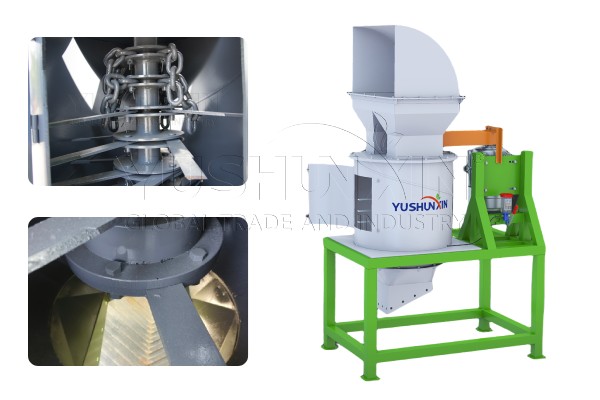
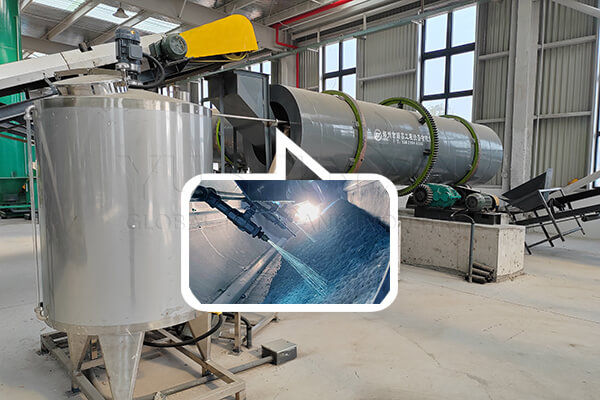
Crushing machine – crushes raw materials into fine particles or prepares materials with a similar size
Screening machine – removes impurities and separates oversized or fine materials from organic compost
Mixer – blends raw materials evenly before the granulation process
Fertilizer granulator (disc, rotary drum, or roller compactor) – forms uniform and strong fertilizer granules
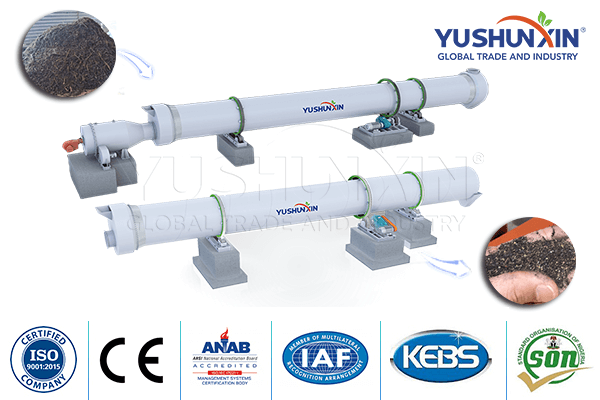
Dryer and cooler – remove moisture and stabilize the granules for storage
Screening machine – separates qualified granules from unqualified ones for recycling
Coating machine (optional) – improves granule appearance and reduces moisture absorption
Packing system – completes the final packaging of finished fertilizer products
The price of an organic-inorganic fertilizer blending plant varies based on configuration and production method.
The bulk blending fertilizer production line cost about $30,000 – $200,000. It requires fewer machines, so they cost less. The granulation type system costs about $50,000 – $500,000. It includes more equipment, which increases the total investment. To get an accurate quotation, you should provide: raw material types, production capacity, and automation requirements. Feel free to consult YUSHUNXIN. Our engineers can design a suitable solution and offer a detailed price plan.
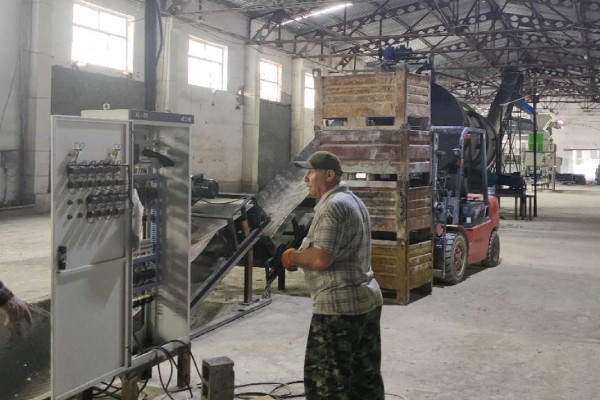
We design and supply organic-inorganic fertilizer blending systems based on real production needs. Our team focuses on efficiency, flexibility, and long-term operation.
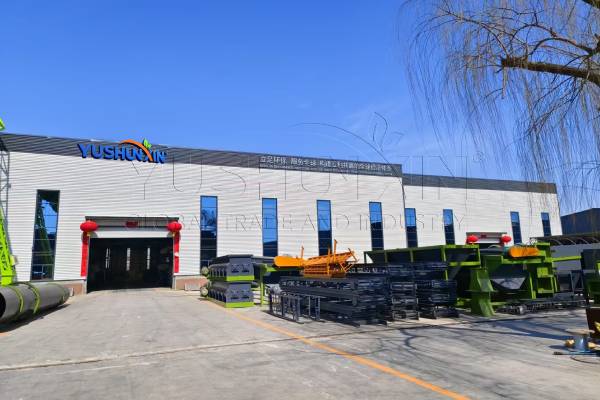
First, we offer customized blending system design. We adjust the process, equipment layout, and capacity according to your raw materials, budget, and target market.
Second, YUSHUNXIN provides complete equipment solutions. Whether you choose a blending system or a granulation line, we supply all key machines and integrate them into one efficient production line.
Finally, we support you from design to installation. Our engineers help you plan the project, install the equipment, and optimize operation. This ensures your organic-inorganic fertilizer production line runs efficiently from the start.
Besides, there are also many other fertilizer mixing solutions for you fertilizer making project. Such as compost mixing systems, NPK blending plans, etc. Welcome to inquiry them now!
Leave Your Message
FREE CONSULTATION
Get You Customized Fertilize
Blending Project Solution Now!

YUSHUNXIN is a turnkey solutions manufacturer for mixed fertilizer making projects. From layout design, equipment manufacturing to installation, operation guidance and after-sale service. We offer one-stop service to help you start your fertilizer making business smoothly and quickly. Tell us your goals, and let's build unforgettable experiences together.


Leave Your Message
 Free Quote
Free Quote
Free Quote


